Complete Langley Artificial Grass Installation from Design to Completion
Transform Your Outdoor Space with Expert Artificial Grass Setup Solutions
Modernizing outdoor spaces with artificial grass has become a sensible choice for many homeowners. This approach gives a lush, verdant landscape without the perpetual demands of natural grass. The setup procedure is straightforward, yet grasping the nuances can make a significant difference. Considering the benefits and considerations of this option reveals much more than mere aesthetics. What factors should one consider before making such a change?
Why You Ought to Replace Your Lawn With Artificial Grass
Many homeowners are progressively opting to swap their natural lawns with artificial grass due to its numerous advantages. One of the primary benefits is the significant reduction in maintenance time and costs. Unlike natural grass, artificial turf does not require frequent mowing, watering, or fertilizing, allowing homeowners to save on both labor and resources. Additionally, artificial grass remains lush and green year-round, providing a consistently appealing aesthetic regardless of weather conditions.
Additionally, artificial grass is sustainable, as it removes the requirement for harmful pesticides and herbicides. It also conserves water, a essential concern in many regions experiencing drought. The durability of artificial grass ensures that it can resist heavy foot traffic, making it perfect for families with children and pets. Ultimately, the decision to install artificial grass can result in a more green, lovely, and trouble-free outdoor space.
What Will Happen During the Installation Procedure?
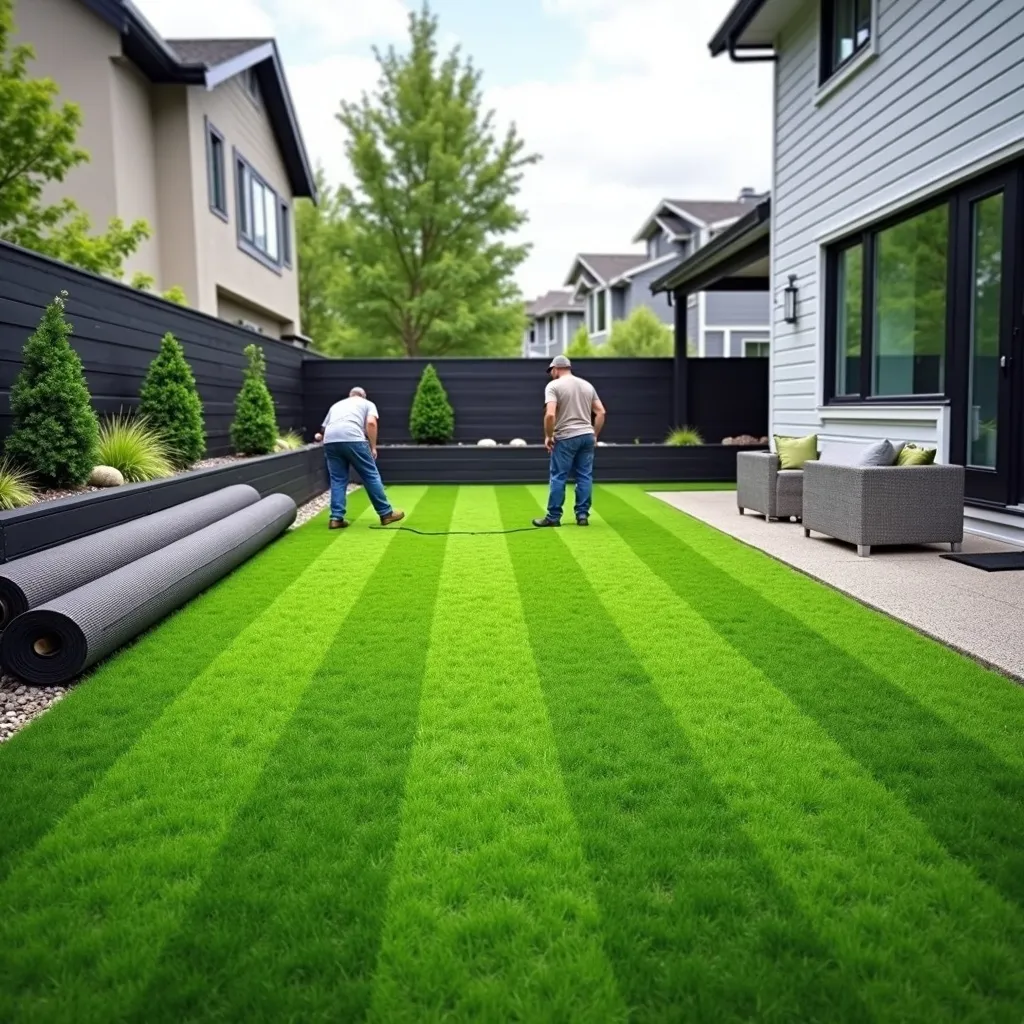
During the setup of synthetic turf, homeowners can expect a systematic and efficient procedure that converts their outdoor space. Initially, the installation team conducts a thorough assessment of the area, measuring dimensions and identifying any water problems. Following this, they ready the soil by eliminating old turf and waste, ensuring a smooth base for the new surface.
Next, a bed of crushed stone is placed to ensure adequate drainage. The team then applies a weed barrier to stop unwanted growth under the grass. Once the base is prepared, the synthetic turf is unrolled and cut to fit the designated area, ensuring seamless edges.
The grass is secured in place with fasteners or adhesive, and infill materials may be added for durability and authentic appearance. Homeowners can expect to see their revamped outdoor area prepared for enjoyment within a brief period, often just a day or two.
Selecting the Perfect Synthetic Lawn for Your Lifestyle
When choosing artificial grass, understanding lifestyle alignment is vital. Points including usage frequency, having pets, and visual preferences are essential in making the right choice. Plus, care requirements can fluctuate widely, shaping future contentment and maintenance.
Lifestyle Compatibility Components
Determining what artificial grass demands evaluating multiple personal factors that can profoundly affect its suitability and function throughout different scenarios. For families containing children or pets, resilience and strength are necessary, confirming the grass can withstand strenuous use and play. Similarly, climate operates as a key element; regions experiencing harsh weather might demand UV-resistant formulations to avoid fading. The intended purpose further bears significance—for play spaces, ornamental garden design, or sports purposes, different grass varieties offer unique advantages. Additionally, design preferences must coordinate with the overall appearance of the exterior space, assuring a polished appearance. In final consideration, municipal guidelines or neighborhood rules might establish constraints, rendering it vital to understand such variables before proceeding with selection.
Maintenance Needs Outline
Maintenance requirements are important in determining the best artificial grass for personal lifestyles. Different types of artificial grass have varying upkeep needs, which can affect a homeowner's choice. For those with pets or children, choosing a product that is simple to clean and stain-resistant is crucial. Additionally, some types may need periodic brushing and infill replenishment to maintain their appearance and function. Conversely, low-maintenance options are suitable for busy individuals who choose a more hands-off approach. Understanding these maintenance factors helps homeowners to pick artificial grass that not only complements their outdoor aesthetics but also matches their lifestyle needs, ensuring lasting satisfaction and enjoyment.
Crucial Actions for Putting Artificial Grass
Installing artificial grass involves numerous essential steps to ensure a successful outcome. Important elements include proper ground preparation methods, implementing proper drainage solutions, and executing the grass installation process meticulously. Each step is crucial in obtaining a durable and aesthetically pleasing result.
Site Setup Strategies
Preparing the site effectively is key for a efficient artificial grass installation. Initially, the existing grass and debris need to be removed to guarantee a clean base. Then, the ground must be smoothed, addressing any indentations or high areas to form an even surface. Soil compaction is crucial to avoid future settling, which can be done using a plate compactor. After the area is level and compacted, a weed barrier fabric should be installed to prevent future growth. Lastly, a bed of crushed stone or gravel should be applied to enhance drainage and provide stability. These steps collectively create a durable foundation, ensuring the durability and performance of the artificial grass.
Proper Water Management Solutions
After building a robust base through proper site preparation, focus turns to putting in place reliable drainage options for artificial grass. Making sure ample drainage is necessary to stop water collection, which can damage the grass and create unpleasant odors. The installation process typically entails including a drainage layer, often comprised of crushed stone or gravel, underneath the artificial turf. This layer promotes water movement away from the surface, allowing for speedy absorption and lowering the risk of pooling. Furthermore, well-placed drainage channels can boost water flow, channeling excess moisture away from high-traffic areas. It is crucial to examine the landscape's natural slope to optimize drainage performance, ultimately protecting the integrity and appearance of the artificial grass.
Lawn Installation Workflow
The grass installation procedure unfolds through a sequence of exact steps that ensure a positive outcome. Initially, the area is measured and outlined for accurate dimensions. Following this, current vegetation and waste are eliminated, guaranteeing a clean surface. Next, a compressed base layer of crushed rock or gravel is placed to enhance drainage. A landscape fabric is then applied to stop explanation unwanted growth.
Once the base is prepared, the artificial grass is laid out and cut to fit the designated area. It is fastened with adhesive or stakes to maintain stability. Finally, fill material is applied to enhance durability and replicate natural grass. This methodical approach creates a beautifully renovated outdoor space.
Guide to Keeping Your Artificial Grass Looking Pristine
Preserving the vibrant appearance of artificial grass requires ongoing maintenance and care. Routine cleaning is essential; a straightforward water rinse can wash away debris and dust. For difficult stains, a mixture of mild soap and water is effective. Additionally, using a broom or firm brush can help keep the fibers upright and looking fresh.
Consistently inspecting for debris items, such as leaves or branches, stops accumulation that can cause discoloration. To maintain ideal drainage, make sure that any excess water is quickly eliminated. During periods of heavy use, it may be useful to add infill to preserve the grass's structure and appearance.
Ultimately, guarding artificial grass from sharp objects prevents deterioration. By following these uncomplicated care recommendations, homeowners can guarantee their synthetic grass continues to be an attractive and functional outdoor space for the foreseeable future.
Real-Life Transformations
Artificial grass enhances the aesthetic charm of outdoor spaces and modifies them into functional zones for families and pets. Countless homeowners have documented remarkable transformations after putting in artificial grass. In one case, a family with a small backyard replaced their patchy lawn with brilliant synthetic turf. This change made a secure green space for play for their children and pets, greatly increasing outdoor usage.
Another triumphant account involves a public park that faced challenges with maintenance costs and water restrictions. By opting for artificial grass, the park not only reduced its environmental footprint but also created a verdant, welcoming space for gatherings and activities, leading to increased community engagement.
In addition, a enterprise building elevated its appeal by introducing artificial grass in its exterior social area, generating increased attendance. These stories demonstrate how artificial grass can significantly elevate outdoor environments, matching beauty with practical benefits.
Frequently Requested Questions
Is Synthetic Grass Secure for Pets and Children?
Artificial grass is generally safe for pets and children. It is free from toxins, simple to maintain, and without hazardous substances. However, ensuring proper installation and maintenance is crucial for optimal comfort and safety.
What Is The Duration Of Artificial Grass?
Artificial grass often lasts between 15 to 25 years, subject to factors such as craftsmanship, maintenance, and natural circumstances. Correct upkeep can extend its years of use, assuring a robust and attractive outdoor surface for various activities.
Is Putting in Artificial Grass Something I Can Do Myself?
Yes, people are able to laying artificial grass themselves. However, it requires detailed preparation, proper tools, and a comprehensive understanding of the laying procedure to provide a high-quality and lasting outcome that fulfills functional and aesthetic expectations.
What Is the Cost of Synthetic Turf Setup?
The outlay for synthetic grass fitting usually falls from $5 to $20 per square foot, affected by factors like quality of materials used, labor, and site conditions. Householders should request different quotes for correct budgeting.
Does Man-made Grass Demand Proper Drainage?
Yes, synthetic turf requires appropriate drainage to prevent water stagnation. A well-designed drainage setup supports superior water flow, confirming the sustained durability of the artificial lawn and upholding its condition and utility over time.